How to Make Flavored Syrups for Cocktails
A simple technique for infusing simple syrup with any flavor — ginger, lavender, cinnamon, mint, honey, and more — and how to use each one.
The base technique
Every flavored syrup starts from the same foundation: dissolve sugar in water, infuse with flavor, strain, and cool. For most aromatic ingredients — herbs, spices, dried flowers — the standard process is to bring equal parts sugar and water to a gentle simmer, add the flavoring agent, remove from heat, let steep for 15–30 minutes, and strain through a fine mesh strainer into a clean bottle.
Cold infusion (no heat) works better for some delicate ingredients — fresh herbs like mint or basil, for example, which can turn bitter or grassy if heated too long. For cold infusion, combine the simple syrup with the flavoring agent at room temperature, let it sit for 30–60 minutes, and strain. The result is brighter and cleaner in flavor than a heated version.
Honey syrup
Honey is too thick to incorporate evenly into cold cocktails — it clumps at the bottom of the shaker rather than distributing through the drink. The fix is honey syrup: combine one part honey with one part warm water, stir until fully dissolved, and cool before using. A 1:1 ratio produces a workable syrup; some recipes use 3:1 honey to water for a richer, more intensely flavored result.
Honey syrup is essential for the Bee's Knees (gin, lemon, honey) and the Gold Rush (bourbon, lemon, honey), and it substitutes beautifully for simple syrup in almost any citrus-forward sour where you want a floral, more complex sweetness. Store in the fridge for up to two weeks; honey's natural antimicrobial properties extend shelf life somewhat compared to plain simple syrup.
Ginger syrup
Ginger syrup adds real heat and brightness that ginger beer can't — it integrates into the cocktail rather than sitting on top. Peel and finely grate or thinly slice 3–4 oz of fresh ginger, combine with 1 cup each of sugar and water, bring to a simmer, steep off heat for 20 minutes, and strain well. The result is spicy, aromatic, and far more pungent than any commercial ginger product.
Use ginger syrup to build a Moscow Mule-style drink without ginger beer — vodka, ginger syrup, and fresh lime over ice, topped with soda water — for a more spirit-forward, less carbonated result. It's also excellent in a Dark and Stormy variation, a Penicillin-adjacent smoky whiskey sour, or any drink where ginger's heat should integrate rather than float on top.
Lavender, cinnamon, and other infusions
Lavender syrup
combine 1 cup sugar, 1 cup water, and 2 tablespoons dried food-grade lavender flowers. Bring to a simmer, steep for 10–15 minutes (no longer — lavender becomes soapy if over-extracted), and strain. The result is floral and delicate, excellent in a Gin Fizz variation, a vodka Lemonade, or paired with lemon and prosecco in a spritz.
Cinnamon syrup
use 2–3 cinnamon sticks per cup of simple syrup. Simmer for 20 minutes, steep an additional 10 minutes, strain. Deep, warm, and spiced — essential for a proper Penicillin, excellent in a spiced Old Fashioned or a fall whiskey sour. Cardamom, black pepper, star anise, and clove all work on the same principle: add whole spices, don't over-steep, strain well.
Mint syrup and fresh herb infusions
Mint syrup takes the flavor of the Mojito or Mint Julep and makes it buildable in advance: combine 1 cup sugar, 1 cup water, and a generous bunch of fresh mint. The cold-infusion method works best — add mint leaves to the cooled simple syrup, steep for 30–60 minutes until the desired intensity is reached, and strain. This avoids the grassy, bitter quality that comes from heating mint.
Basil, tarragon, rosemary, and thyme all work on the same cold-infusion principle and produce dramatically different results. Basil syrup in a strawberry daiquiri variation or a gin sour is surprisingly compelling. Rosemary pairs well with lemon and gin. Any fresh herb syrup should be used within a week — the color fades and the flavor softens with time.
Storage and shelf life
Flavored syrups stored in a sealed bottle in the refrigerator will last one to four weeks depending on their sugar concentration and the addition of any preserving agent. A standard 1:1 syrup keeps about two weeks. A rich 2:1 syrup (higher sugar concentration) keeps longer — up to a month. Adding a small amount of high-proof spirit (1 tablespoon of vodka per cup of syrup) extends shelf life without affecting flavor in drinks.
Watch for cloudiness or any off smell, which indicate spoilage. Fruit-based syrups (strawberry, raspberry, passionfruit) have a shorter shelf life than pure sugar infusions — about one week — because the fruit adds fermentable sugars and microorganisms. Make these in small batches and use quickly.
Frequently asked questions
How long do flavored syrups last in the fridge?
A standard 1:1 flavored syrup lasts about two weeks refrigerated in a sealed bottle. A richer 2:1 (high-sugar) syrup lasts up to a month. Adding a tablespoon of vodka per cup of syrup extends shelf life without affecting flavor. Fresh herb syrups have a shorter life — about one week — as do fruit-based syrups.
Can I use honey instead of simple syrup?
Yes, but honey needs to be diluted first. Honey is too thick to incorporate evenly into cold cocktails — it clumps rather than distributing through the drink. Make honey syrup by combining equal parts honey and warm water and stirring until dissolved. Use it 1:1 as a simple syrup substitute, or slightly less (honey is sweeter by volume).
Do I need to heat the syrup to infuse flavor?
Not always. Heat speeds up the infusion of spices, dried botanicals, and woody ingredients like cinnamon or ginger, and is generally recommended for those. But delicate fresh herbs like mint or basil are better cold-infused — heat can make them bitter or grassy. Add the fresh herb to already-cooled simple syrup, steep at room temperature for 30–60 minutes, then strain.
Cocktails to try
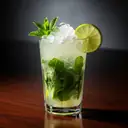
Mojito
A vibrant Cuban classic that muddles fresh mint and lime with light rum, topped with sparkling water.

Moscow Mule
A zippy, thirst-quenching mix of vodka, spicy ginger beer, and fresh lime juice, traditionally served in a copper mug.
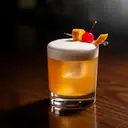
Whiskey Sour
A silky, tart classic where bourbon meets fresh lemon juice and a touch of sweetness, optionally crowned with a frothy egg white foam.
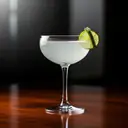
Daiquiri
A pure, elegant expression of rum, brightened with fresh lime and softened with a touch of simple syrup.
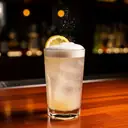
Gin Fizz
One of the great classic highball formats: gin, fresh lemon, sugar, and soda water shaken and topped with bubbles.