How to Make the Perfect Gin and Tonic
The ratio, the glass, the ice, and the garnish — every variable that separates a great Gin and Tonic from a forgettable one.
The ratio: more tonic than you think
The standard Gin and Tonic ratio is 1 part gin to 2 parts tonic water — but many great versions use closer to 1:3, particularly in the Spanish copa de balon (balloon glass) format that has spread globally from San Sebastián. The wider ratio isn't about making the drink weaker: a larger volume of high-quality tonic with good carbonation carries more fragrance and refreshment. The gin is still there — it's just not fighting the tonic for dominance.
In practical terms: for a standard highball glass, 2 oz gin and 4–5 oz tonic is the right range. For a large copa glass (which is the better vessel for appreciating aromatic gins), 1.5 oz gin and 5–6 oz tonic is common. In both cases, taste after you've poured — every gin and every tonic combination is different, and personal preference matters more than any prescribed ratio.
Choosing a gin for your tonic
London dry gin is the classic Gin and Tonic choice — its crisp, juniper-forward profile cuts cleanly through tonic's quinine bitterness. Tanqueray, Gordon's, and Beefeater are the benchmark options, widely available and purpose-built for mixing. For a more complex G&T, a contemporary gin that leans on citrus or floral botanicals — Hendrick's (cucumber and rose), Monkey 47 (47 botanicals), or Bombay Sapphire (cassia and grains of paradise) — produces a noticeably different and often more interesting result.
The key principle: matching gin to garnish. A citrus-forward gin like Tanqueray Rangpur works brilliantly with a grapefruit garnish; a floral gin like Hendrick's with cucumber; an earthy, spice-forward gin with a rosemary sprig. Tasting the gin briefly neat before mixing will tell you what direction to take the garnish.
Tonic water: premium vs. standard
Tonic water makes up the majority of a Gin and Tonic by volume, and its quality is far more noticeable than many people expect. Standard supermarket tonic (Schweppes, Canada Dry) is made with high-fructose corn syrup, and its sweetness and carbonation are fine for casual drinking. Premium tonics — Fever-Tree, Q Mixers, East Imperial, 1724 — use real quinine from the cinchona bark, more natural botanical flavors, and often finer, longer-lasting carbonation. The difference in a side-by-side comparison with quality gin is substantial.
There are also botanical tonic waters — elderflower, Mediterranean, aromatic — designed to complement specific gin styles. Fever-Tree's Mediterranean Tonic with a floral gin is a reliable combination. Dry tonics (very low sugar) are worth trying with sweeter or fruit-forward gins to prevent the drink becoming cloying. Once you've found a pairing you like, stick with it.
The glass and the ice
A copa de balon glass — a large, balloon-shaped wine glass — is the Spanish invention that transformed Gin and Tonic culture. Its wide bowl traps and concentrates the botanical aromas from the gin and garnish right at nose level, making the drink smell noticeably better than the same G&T in a standard highball. If you don't own copa glasses, a large wine glass works almost as well and is worth substituting. A standard highball is fine if that's what you have — it just delivers less aromatic reward.
Ice matters more in a Gin and Tonic than almost any other drink. The goal is to keep the drink cold without over-diluting — crushed ice melts too fast and waters down the carefully calibrated tonic. Use large, fresh cubes and fill the glass generously. Adding the ice before the gin (and before the tonic) allows the gin to chill slightly before carbonation is added, which helps the bubbles stay alive longer.
Garnishes that actually change the drink
Garnish in a Gin and Tonic is not decoration — it's an active aromatic element. A thick, wide wheel of fresh lime (not a squeezed wedge) contributes citrus oil from its peel as the drink warms slightly in your hand. A ribbon of cucumber, a sprig of fresh rosemary, a dried pink peppercorn, a strip of grapefruit peel, a twist of lemon — these all interact directly with the botanical profile of the gin.
The classic British G&T garnish is a wedge of lime, squeezed in and dropped. The Spanish approach layers more: a botanically complex gin in a copa, with multiple complementary garnishes (e.g., a juniper berry, a sprig of thyme, and a strip of lemon peel for a juniper-forward gin). Neither approach is right or wrong — the only principle is intentionality. Know what you're adding and why it complements the gin you've chosen.
Frequently asked questions
What's the best ratio of gin to tonic?
A 1:2 ratio (1 part gin to 2 parts tonic) is the classic starting point for a highball glass. The Spanish copa style uses a wider 1:3 or 1:4 ratio in a large balloon glass, which concentrates aromas and produces a longer, more aromatic drink. Personal preference matters — start at 1:2 and adjust to taste.
Does the type of tonic water really matter?
Yes, noticeably. Tonic makes up the majority of the drink by volume, and premium tonics (Fever-Tree, Q Mixers, East Imperial) use real quinine and natural botanicals with better carbonation than standard supermarket brands. In a side-by-side comparison with quality gin, the difference is easy to taste. If you're spending money on good gin, match it with good tonic.
What kind of glass should I use for a Gin and Tonic?
A copa de balon (large balloon wine glass) is ideal — its wide bowl traps botanical aromas at nose level, making the drink smell noticeably more complex. A large wine glass works nearly as well. A standard highball glass is perfectly acceptable if that's what you have, though you'll get less aromatic benefit.
Explore related categories
Cocktails to try

Gin and Tonic
The simplest gin cocktail there is: botanical gin lifted by bittersweet tonic and a wedge of lime.
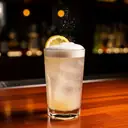
Gin Fizz
One of the great classic highball formats: gin, fresh lemon, sugar, and soda water shaken and topped with bubbles.
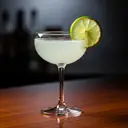
Gimlet
A sharp, botanical mix of gin and sweetened lime juice. Clean, potent, and incredibly refreshing.
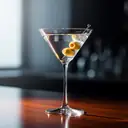
Martini
The definitive gin cocktail, stirred with dry vermouth and garnished with an olive or a lemon twist.
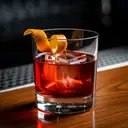
Negroni
A sophisticated Italian aperitif. Perfectly balanced between the botanical gin, sweet vermouth, and bracingly bitter Campari.