Vodka 101: Choosing, Tasting, and Mixing
Everything you need to know about vodka — how it's made, what separates cheap from premium, and which cocktails show it off best.
What vodka actually is
Vodka is a neutral spirit, distilled from fermented grains (wheat, rye, corn, or barley) or sometimes potatoes, grapes, or even sugar beet molasses. The defining characteristic is what it lacks: unlike whiskey or rum, vodka is filtered and redistilled to remove almost all congeners — the flavor compounds that give other spirits their distinctive character. The result is a spirit that is clean, colorless, and largely odorless when made well.
That neutrality is both vodka's strength and the source of most debates about it. Good vodka isn't flavorless — it has texture and mouthfeel, a slight sweetness or grain note depending on the base ingredient — but those qualities are subtle compared to a whiskey or gin. The art of vodka production is in the refinement, not the flavoring.
How distillation and filtration shape the flavor
Most premium vodkas are column-distilled, a continuous process that allows very high proof to be reached before filtering. The number of distillation passes matters less than the quality of the process — some brands claim '10x distilled' as marketing without any meaningful flavor benefit. What actually matters is the base ingredient and how it's filtered afterward.
Carbon filtration is the most common post-distillation step: the spirit is passed through activated charcoal to strip out unwanted impurities. Some distillers use quartz, lava rock, or even silver filtration for different results. Potato-based vodkas tend to have a slightly creamier, fuller mouthfeel than grain vodkas; wheat vodkas often have a faint sweetness; rye vodkas a subtle spice. These differences are real but require side-by-side tasting to reliably detect.
Choosing a vodka for cocktails
For mixing, a mid-shelf vodka in the $20–35 range is almost always the right choice. Ultra-premium bottles are wasted in a Cosmopolitan or Moscow Mule, where citrus, ginger beer, and other ingredients dominate the flavor. Save the fine stuff for sipping neat or on the rocks, where the subtle differences in texture and mouthfeel are actually perceptible.
For a Martini — where vodka and a small amount of vermouth are all there is — a step up in quality pays off more directly. A clean, smooth, room-temperature-tested vodka will make a noticeably better Martini than a harsh or industrial one. Brands like Belvedere, Grey Goose, and Ketel One are common Martini choices; Tito's and Svedka punch above their price for mixing.
Flavored vodkas: where they work and where they don't
Flavored vodkas — citrus, vanilla, berry, and dozens more — rose to dominance in the 1990s and 2000s and then largely fell out of favor with the craft cocktail movement, which preferred building complexity through fresh ingredients and proper technique rather than pre-flavored shortcuts. That said, vanilla vodka in an Espresso Martini or citrus vodka in a Cosmopolitan are entirely reasonable choices; the original recipes often assumed flavored vodka.
The key is balance: a flavored vodka works when its flavor is a complement rather than the entire cocktail's identity. When a recipe relies on a single-note flavored spirit as its only interesting element, the result usually tastes flat. Fresh ingredients — lime juice, herbs, infused syrups — build more interesting and controllable complexity.
Vodka cocktails worth knowing
Vodka's neutrality is exactly what makes it the most versatile cocktail spirit: it disappears behind whatever you pair it with, amplifying rather than competing. The Moscow Mule is arguably the perfect expression of this — vodka lets ginger beer and lime take center stage. The Bloody Mary is a whole meal's worth of savory, spicy flavors in a glass, with vodka providing alcohol without interfering with the tomato and spice. The Martini and Cosmopolitan represent the spirit's dressier side.
Because vodka asks so little of the other ingredients, it's an excellent spirit for anyone learning to balance a cocktail. If a vodka-based drink tastes off, the problem is almost always in the citrus-to-sweetener ratio or the quality of the juice — not the vodka itself. This makes it genuinely forgiving while still rewarding attention to detail.
Frequently asked questions
Does vodka actually have a flavor?
Yes, subtly. Good vodka isn't truly flavorless — it has texture, mouthfeel, and faint notes from its base ingredient (wheat vodkas can be slightly sweet, rye vodkas slightly spicy, potato vodkas creamier). The differences are real but subtle, most noticeable when tasting side by side or in a Martini, where vodka and vermouth are the only ingredients.
What's the best vodka for cocktails?
For most mixed drinks, a mid-shelf vodka ($20–35) like Tito's, Svedka, or Absolut is the right choice — the difference between mid-shelf and ultra-premium disappears behind citrus, ginger beer, and other ingredients. For a Martini, where vodka and vermouth are all there is, a step up to Belvedere, Grey Goose, or Ketel One pays off more clearly.
What's the difference between vodka made from potatoes vs. grain?
Potato vodkas tend to have a slightly creamier, fuller mouthfeel than grain-based vodkas. Wheat vodkas are often subtly sweet, rye vodkas faintly spicy. These differences are real but require side-by-side tasting to reliably detect, and they matter most in a Martini or any drink where vodka is a prominent flavor rather than a background carrier.
Explore related categories
Cocktails to try

Moscow Mule
A zippy, thirst-quenching mix of vodka, spicy ginger beer, and fresh lime juice, traditionally served in a copper mug.

Bloody Mary
A savory, spicy, and robust vodka cocktail featuring tomato juice, hot sauce, Worcestershire, and bold seasonings.

Cosmopolitan
A vibrant, tart, and fruity vodka cocktail with a beautiful pink hue, featuring cranberry and fresh lime.
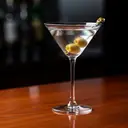
Vodka Martini
A crisp, clean spin on the classic martini, stirred cold with just a whisper of dry vermouth.
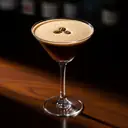
Espresso Martini
Rich, bold, and caffeinated. A velvety blend of vodka, fresh espresso, and coffee liqueur with a beautiful crema on top.