The Golden Ratios Behind Classic Cocktails
Most great cocktails follow a small number of underlying ratios. Learn the patterns and you can understand — or invent — almost any drink.
Why ratios matter
A recipe is specific — it tells you exactly how much of each ingredient to use for one specific drink. A ratio is a pattern — it tells you the structural relationship between categories of ingredients that makes a type of drink work. Learning ratios is how you go from following recipes to understanding cocktails. Once you internalize a few key ratios, you can improvise variations, substitute ingredients, and diagnose what's wrong with an unbalanced drink, all without consulting a book.
Most of the classic cocktail canon reduces to four or five underlying ratio families. The ingredients within those families change — a Daiquiri and a Margarita use completely different spirits — but the proportional structure that makes them balanced is identical. This is why learning the Sour ratio is effectively learning how to make dozens of cocktails at once.
The Sour: 2:1:1
The Sour family — spirit, citrus, sweetener — is the most important cocktail ratio. In its classic form it's 2:1:1: 2 parts spirit, 1 part citrus (usually fresh lime or lemon), 1 part sweetener (simple syrup, triple sec, agave nectar). The Daiquiri (rum, lime, simple syrup), Whiskey Sour (bourbon, lemon, simple syrup), Margarita (tequila, lime, triple sec), Sidecar (cognac, lemon, triple sec), and Gimlet (gin, lime) all follow this template.
The ratio isn't rigid — individual drinks may adjust slightly based on the spirit's natural sweetness, the acidity of the specific citrus batch, or stylistic preference — but 2:1:1 is the calibration point from which you start. If a sour tastes too tart, you have too much citrus or too little sweetener; if it tastes too sweet, the reverse. The spirit is usually the anchor; adjust the sweet and sour around it.
The Old Fashioned template: spirit + modifier + bitters
The Old Fashioned template is
base spirit (2 oz), small amount of sweetener (1 sugar cube or 0.25 oz simple syrup), and bitters (2–3 dashes), stirred over ice. The ratio here is less precise than the Sour's because the sweetener and bitters are used in such small quantities relative to the spirit — the Old Fashioned is fundamentally about the spirit, with the other elements playing supporting roles.
Variations within this template
the Monte Carlo (rye + Bénédictine + Angostura), the Toronto (rye + Fernet-Branca + simple syrup), the Fancy Free (bourbon + maraschino + bitters) — all follow the same structural principle of a large spirit base with a small sweetener and a few dashes of bitters. The character shifts dramatically with each substitution, but the balance logic stays the same.
The Martini family: 5:1 (or 3:1 or 2:1)
The Martini and Manhattan follow a spirit-to-modifier ratio that varies with personal taste and era. A bone-dry contemporary Martini might use 5:1 (gin to vermouth) or even a rinse of vermouth and discard. A classic Prohibition-era Martini was closer to 2:1. Most modern recipes land around 3:1 or 5:2. The Manhattan is typically 2:1 (whiskey to sweet vermouth). What connects them is the format: two main alcoholic ingredients, stirred with ice, no citrus.
The equal-parts format — 1:1:1 — is a sub-family exemplified by the Negroni (gin, Campari, sweet vermouth) and the Last Word (gin, green Chartreuse, maraschino, lime). Equal-parts cocktails work because each ingredient is present in equal proportion, so none dominates; the balance is achieved by the ingredients' inherent flavors complementing each other rather than one overwhelming the others.
The Highball: 1:3 or 1:4
The Highball ratio is 1 part spirit to 3–4 parts mixer, built over ice in a tall glass. The Moscow Mule (1:4 with ginger beer), the Gin and Tonic (1:3), the Cuba Libre (1:4 with Coke) — all highballs. The spirit provides flavor direction; the mixer provides volume, refreshment, and carbonation. The ratio can flex significantly based on the flavor intensity of both components: a very flavorful spirit like mezcal might sit at 1:3 in a Mezcal and Soda; a neutral vodka needs a more flavorful mixer to compensate.
The Collins format extends the Sour with a fourth element — soda water — producing a 2:1:1 sour base topped with 3–4 parts soda in a Collins glass. The Tom Collins (gin, lemon, simple syrup, soda), the Whiskey Collins (bourbon version), the Paloma (treated as a Collins with grapefruit soda standing in for both the citrus and the soda) — all follow this extended pattern.
Frequently asked questions
What is the ratio for a Whiskey Sour?
A classic Whiskey Sour follows the 2:1:1 Sour ratio: 2 parts bourbon (2 oz), 1 part fresh lemon juice (0.75 oz), 1 part simple syrup (0.75 oz). The ratio is a starting point — if the lemon is particularly acidic, add slightly more syrup; if the bourbon is very sweet, go slightly lighter on the syrup.
What is the Negroni ratio?
The Negroni is a 1:1:1 equal-parts cocktail: 1 oz gin, 1 oz Campari, 1 oz sweet vermouth. This equal-parts format (sometimes called the 'Last Word' ratio) means no single ingredient dominates — the balance is achieved by the three ingredients' complementary flavors. Some bartenders adjust to 1.5:1:1 (more gin) for a more spirit-forward result.
Can I use cocktail ratios to invent my own drinks?
Yes — this is exactly what they're for. Pick a ratio family (say, the 2:1:1 Sour), substitute any spirit for the base (mezcal, cachaça, whisky), any citrus for the acid component (grapefruit, yuzu, passion fruit), and any sweetener for the sweet component (honey syrup, grenadine, elderflower liqueur). The balance logic stays the same; the flavor changes completely. Start with the ratio, taste, adjust.
Cocktails to try
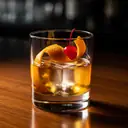
Old Fashioned
The original cocktail. A spirit-forward showcase of whiskey, mellowed slightly with sugar and aromatic bitters.
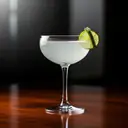
Daiquiri
A pure, elegant expression of rum, brightened with fresh lime and softened with a touch of simple syrup.
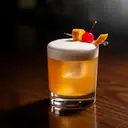
Whiskey Sour
A silky, tart classic where bourbon meets fresh lemon juice and a touch of sweetness, optionally crowned with a frothy egg white foam.
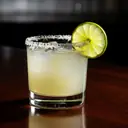
Margarita
A bright, zesty classic balancing the earthy notes of tequila with tart lime and a hint of orange sweetness.
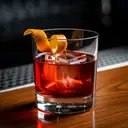
Negroni
A sophisticated Italian aperitif. Perfectly balanced between the botanical gin, sweet vermouth, and bracingly bitter Campari.