Champagne, Prosecco, and Cava in Cocktails
How to choose between champagne, prosecco, and cava for cocktails — and the classic sparkling wine drinks worth knowing.
Champagne vs. prosecco vs. cava: the key differences
These three sparkling wines differ in geography, production method, grape variety, and flavor — differences that matter when you're choosing which to use in a cocktail. Champagne comes from a specific region of France and must be produced via méthode champenoise (secondary fermentation in the bottle), using primarily Chardonnay, Pinot Noir, and Pinot Meunier grapes. The result is typically dry, complex, and rich with autolytic (yeasty, bready) character from extended bottle aging on its lees.
Prosecco is Italian, made in the Veneto from Glera grapes via the Charmat method (secondary fermentation in pressurized tanks rather than individual bottles), which produces lighter, fruitier, more floral bubbles at a lower price point. Cava is Spanish, made via the traditional method (like Champagne) but from Spanish grape varieties, producing a drier, earthier style that's often excellent value. For cocktail purposes: prosecco's softer, fruitier profile makes it the default choice; Champagne is reserved for drinks where its quality is the point; Cava is a budget-friendly Champagne substitute.
Classic sparkling cocktails
The French 75 is one of the great sparkling cocktails: gin (or cognac), fresh lemon, simple syrup, and champagne. The base is shaken first, then strained into a flute and topped with the sparkling wine. The French 75's structure shows why sparkling wine belongs in cocktails — the bubbles lift and integrate the citrus and spirit in a way still wine cannot.
The Bellini (white peach purée and prosecco) and the Rossini (strawberry purée and prosecco) are Venetian classics from Harry's Bar — seasonal, simple, and entirely dependent on the quality of the fruit purée. The Hugo Spritz (St-Germain elderflower, prosecco, soda, mint) is newer but has become enormously popular for good reason: its delicate floral sweetness is perfectly matched by prosecco's light bubbles.
How sparkling wine functions in a cocktail
Sparkling wine in a cocktail serves two distinct purposes simultaneously: it adds flavor (the wine's acidity, fruit, and mineral character) and it adds carbonation (the CO₂ bubbles that change the mouthfeel and aroma delivery of the entire drink). Both of these are reasons to add it after any shaken or stirred base — carbonation is destroyed by agitation, so the sparkling wine must always be the last ingredient, poured gently over the back of a bar spoon or directly into the glass with the base already in it.
The CO₂ in sparkling wine also lifts aromatic compounds to the surface of the drink, making the nose more expressive than the same drink without bubbles. This is why prosecco in a Hugo Spritz or Bellini doesn't just add alcohol — it actively enhances how the elderflower or peach aroma is perceived. Good carbonation from a premium sparkling wine or quality cava makes a meaningful difference to a finished cocktail.
Keeping the bubbles: practical technique
The enemy of sparkling wine in cocktails is agitation. Never shake or hard-stir a drink after adding sparkling wine. The correct technique: shake or stir the spirit base with ice, strain into the glass, then top with sparkling wine poured slowly from just above the liquid surface. A bar spoon held just above the surface of the drink and used to guide the wine in gently is the most precise approach.
Temperature matters too: sparkling wine should be well-chilled (around 8°C/46°F) before it goes into a cocktail. Warm bubbles dissipate faster and release CO₂ less gracefully. If you're making multiple sparkling cocktails in quick succession, keep the bottle in an ice bucket rather than letting it warm on the counter between pours.
When to upgrade to Champagne
Champagne in a cocktail is worth using when the wine is a prominent flavor component rather than just bubbles — when you want that characteristic autolytic complexity (the yeasty, brioche-like note from extended lees aging) to be part of the drink's identity. The classic Champagne Cocktail (a sugar cube soaked in Angostura bitters, a float of cognac, topped with Champagne) is the canonical example: the Champagne is the drink, not a lengthener.
For most cocktail purposes — spritzes, bellini-style drinks, French 75s — a good dry prosecco or cava at a third of the price of entry-level Champagne produces equivalent or better results because the fruit-forward profile of these wines integrates more harmoniously with cocktail ingredients. Reserve Champagne for drinking in its own glass or for occasions where the status and occasion justify the price.
Frequently asked questions
Can I use prosecco instead of Champagne in cocktails?
Yes, in most cases. For spritzes, Bellinis, and drinks where the sparkling wine is a lengthener (adding volume and bubbles rather than being the primary flavor), a good dry prosecco or cava is an excellent substitute at a lower price. For a classic Champagne Cocktail, where the wine's quality and autolytic complexity are the point, Champagne (or a quality Crémant de Bourgogne) is worth using.
How do I keep sparkling wine bubbly when making cocktails?
Always add sparkling wine last, after any shaken or stirred base is already in the glass. Pour it slowly and gently — over the back of a bar spoon if needed — rather than splashing it in. Keep the bottle well chilled (around 8°C) to maintain carbonation. Never shake or agitate the drink after adding sparkling wine.
What's the best sparkling wine for an Aperol Spritz?
A dry or extra-dry prosecco is traditional and works well — its light, fruity bubbles complement Aperol's bitter orange flavor without competing. The official Aperol Spritz recipe specifies prosecco. A dry cava works as a substitute. Avoid heavily oaked or very complex Champagnes, whose intensity can clash with Aperol's relatively delicate flavor.
Cocktails to try

French 75
An elegant, gin-forward cocktail sweetened with a tart lime cordial. Simple, sophisticated, and sharp.
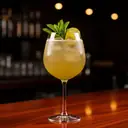
Hugo Spritz
Northern Italy's beloved elderflower spritz: St-Germain liqueur, prosecco, and fresh mint with a squeeze of lime — delicate, floral, and supremely refreshing.

Rossini
Italy's strawberry Bellini: fresh strawberry purée stirred into cold prosecco for a blush-pink, fruit-forward aperitivo.

Sgroppino
Venice's palate-cleansing digestif: a chilled, frothy blend of lemon sorbet, vodka, and prosecco that tastes like a grown-up granita.

Aperol Spritz
Light, bubbly, and subtly bitter. A stunning orange aperitif that tastes like a vibrant Italian sunset.