What Is an Aperitif? The Complete Guide
Aperitifs are drinks meant to open the appetite before a meal — here's what they are, the main styles, and the cocktails built around them.
What an aperitif is
An aperitif (from the Latin aperire, 'to open') is a drink consumed before a meal to stimulate the appetite. The practical logic is real: bitter, herbal, and slightly sweet drinks interact with digestive enzymes and gastric acid in ways that genuinely prime the body for eating. This is why so many aperitif spirits — Campari, Aperol, Lillet, vermouth — have a pronounced bitter or herbal character alongside their sweetness.
The aperitif tradition is strongest in France and Italy, where pre-dinner drinking is a social ritual as much as a gastronomic one. The French aperitif hour, the Italian aperitivo — both center on low-to-medium ABV drinks that are easy to sip slowly, typically accompanied by small bites. In modern bar culture, the aperitif moment has expanded well beyond its mealtime context: the Aperol Spritz is equally at home at 3pm on a terrace as it is before a restaurant dinner.
Bitter aperitif liqueurs: Campari, Aperol, and their kin
The Italian bitter aperitivo category — led by Campari and Aperol — is built on the same herbal, botanical infusion principle as vermouth, but with more pronounced bitterness and vivid color. Campari's exact recipe is a trade secret, but it's known to contain chinotto (a bitter citrus), herbs, and over 60 botanicals. Its deep red color and bracingly bitter flavor make it the backbone of the Negroni, Americano, and Campari Spritz.
Aperol is a lighter, sweeter, lower-ABV variation (11% vs. Campari's 25%) with a more orange-forward, less bitter profile that accounts for its broader popular appeal. The Aperol Spritz — three parts prosecco, two parts Aperol, one part soda — became one of the most-ordered cocktails in the world in the 2010s. Cynar (made with artichoke), Select (milder and sweeter than Campari), and Cappelletti are other notable Italian bitter aperitivos worth exploring.
Wine-based aperitifs: vermouth, Lillet, and sherry
Fortified and aromatized wines are a natural aperitif category — their wine base keeps the alcohol moderate, and the added botanicals or oxidized complexity adds interest without overwhelming the palate before dinner. Dry vermouth and blanc vermouth are classic aperitif drinks, sipped over ice with a twist in France. Lillet Blanc — a Bordeaux wine fortified with citrus liqueur — is delicate and floral, excellent with soda or tonic.
Fino and manzanilla sherry from Spain are among the world's most food-friendly aperitif drinks: bone dry, briny, and complex from oxidative aging in solera systems. They're underappreciated in cocktails — a Tuxedo (dry sherry in place of vermouth) or a Bamboo (sherry and vermouth stirred together) shows how well they perform in a glass. Sip them chilled with olives and almonds for an authentic tapas-bar aperitivo experience.
Champagne and sparkling wine as aperitifs
Bubbles and aperitifs have an affinity going back centuries — carbonation interacts with the same appetite-stimulating pathways as bitterness, making sparkling wine a natural pre-dinner choice. A flute of brut Champagne or dry prosecco is complete on its own, but sparkling wine also forms the base of the most popular aperitif cocktails in the world: the Aperol Spritz, the Hugo Spritz (elderflower and prosecco), the Bellini (peach purée and prosecco), and the Kir Royale (crème de cassis and champagne).
The general rule for aperitif sparkling cocktails is to keep them low-ABV, light, and refreshing — this is not the moment for a complex stirred drink. A tall glass, plenty of ice, and good-quality bubbles are most of the battle.
How to serve an aperitif
The best aperitifs are served cold, in large glasses with plenty of ice so they stay refreshing. A Negroni or Americano in a rocks glass, an Aperol Spritz or Hugo Spritz in a large wine glass filled with ice, a glass of cold fino sherry in a white wine glass — the pattern is the same: cold, slightly dilute, easy to sip over 20–30 minutes without feeling tipsy.
Aperitifs pair naturally with salty, savory nibbles that complement their bitterness — olives, chips, salumi, cheese, nuts. The ritual of aperitivo time in northern Italian cities like Milan and Turin often includes a spread of these snacks alongside the drinks, making it a proper social hour in its own right.
Frequently asked questions
What's the difference between an aperitif and a digestif?
An aperitif is served before a meal to open the appetite — it's typically lower in alcohol, lighter, and more refreshing (spritzes, vermouth, Campari). A digestif is served after a meal to aid digestion — it's typically higher in alcohol and richer, including whiskey, cognac, amaro, and port. The same spirit can sometimes serve both purposes, but the cultural use differs.
What are the best aperitif cocktails?
The Aperol Spritz and Negroni are the two most popular aperitif cocktails globally. The Hugo Spritz (elderflower and prosecco) is very popular in northern Italy and Austria. An Americano (Campari, sweet vermouth, soda) is lower in alcohol and very approachable. A glass of cold fino sherry with ice and a slice of orange is one of the most underrated aperitif options.
Does an aperitif actually stimulate appetite?
Yes, genuinely. Bitter botanicals in aperitif spirits interact with bitter taste receptors that stimulate digestive enzyme production and gastric acid secretion. Carbonation also plays a role. This is the real reason aperitifs have been served before meals for centuries — the effect is physiological, not just traditional.
Cocktails to try

Aperol Spritz
Light, bubbly, and subtly bitter. A stunning orange aperitif that tastes like a vibrant Italian sunset.
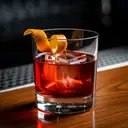
Negroni
A sophisticated Italian aperitif. Perfectly balanced between the botanical gin, sweet vermouth, and bracingly bitter Campari.

Hugo Spritz
Northern Italy's beloved elderflower spritz: St-Germain liqueur, prosecco, and fresh mint with a squeeze of lime — delicate, floral, and supremely refreshing.

Americano
The low-proof forerunner to the Negroni: Campari and sweet vermouth lengthened with soda water.
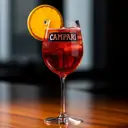
Campari Spritz
A bolder, more bitter spritz built on Campari, prosecco, and a splash of soda water.