Low-ABV Cocktails: How to Drink Less Without Sacrificing Flavor
The growing world of lower-alcohol drinks — spritzes, sherry cocktails, vermouth serves, and the techniques that keep them interesting.
Why low-ABV cocktails have arrived
The low-ABV (low-alcohol by volume) cocktail movement isn't just a response to wellness culture — it's also a genuine flavor trend. Many of the most interesting drinking options available today are lower in alcohol: fino sherry, aged vermouth, Campari, Lillet, and the growing category of bitter aperitivos all offer more complexity per sip than most spirits, precisely because they haven't been stripped of everything except alcohol during distillation.
Low-ABV doesn't mean low-interest. The challenge and the opportunity lie in the same place: without a backbone of high-proof spirit, every other element of the drink needs to work harder. Fresh citrus, aromatic herbs, quality sparkling water or wine, and carefully chosen bitters and syrups all matter more in a low-ABV context than in a full-proof cocktail where the spirit carries the weight.
Spritzes: the gateway to low-ABV
The spritz — base aperitivo liqueur plus sparkling wine plus soda water — is the defining low-ABV cocktail format of the current era. At its simplest (Aperol Spritz: Aperol, prosecco, soda), a typical serving is around 8–10% ABV, roughly half the strength of a standard cocktail. The Hugo Spritz (St-Germain elderflower liqueur and prosecco) is even lighter and more delicate.
The spritz template is endlessly adaptable: any bitter aperitivo (Campari, Cynar, Select, Cappelletti) over ice with sparkling wine and a splash of soda produces a viable low-ABV cocktail. The ratio — typically 3 oz wine to 2 oz liqueur to 1 oz soda — keeps the ABV in check while the bitterness and aromatics of the liqueur do the flavor work.
Sherry and vermouth as primary ingredients
Sherry (15–22% ABV) and vermouth (15–18% ABV) are among the most flavorful and underutilized low-ABV cocktail bases in any home bar. A chilled glass of good fino sherry over ice with a slice of orange is one of the most food-friendly aperitif options available. The Bamboo — equal parts dry sherry and dry vermouth, stirred with bitters and served up — is one of the most sophisticated low-ABV cocktails in the canon, predating the modern movement by more than a century.
Vermouth and soda is a classic French aperitif serve: 2 oz blanc or dry vermouth over ice, topped with soda water, with a twist of lemon or orange. It's very low ABV (around 6–8%), deeply aromatic, and completely satisfying as a pre-dinner drink. The key is using quality, fresh vermouth — cheap or stale vermouth stored at room temperature for months is the reason most people don't realize how good this category can be.
Using bitters, citrus, and syrups to build complexity
In a full-proof cocktail, a high-ABV spirit provides much of the backbone and flavor intensity. Without it, you need to find that intensity elsewhere. Non-alcoholic bitters (Angostura, Peychaud's, and aromatic bitters generally contain some alcohol but far less than spirits) add extraordinary complexity in tiny amounts — just a few dashes in a low-ABV drink punch dramatically above their weight.
Fresh citrus does similar work: the brightness and acidity of fresh lime or lemon juice energizes a low-ABV spritz or sherry-based drink in a way that concentrates and lifts all the other flavors. A quality flavored syrup — ginger, lavender, cinnamon, honey — adds aromatic complexity that substitutes meaningfully for the oak and vanilla notes that barrel aging normally contributes.
Low-ABV Tiki and tropical drinks
Even the Tiki format can go low-ABV: many rum punches are naturally lower in alcohol because they're lengthened with coconut water, pineapple juice, and ice. A Shrub Punch — drinking vinegar (shrub) with fresh fruit, herbs, sparkling water, and a small amount of falernum or orgeat — delivers all the tropical complexity of a Tiki drink with almost no alcohol.
The wine-based sangria and the Spanish Tinto de Verano (red wine and lemon soda over ice) are both low-ABV drink formats that have been popular in their home cultures for centuries without being marketed as 'health' options. They work because they're delicious — which is the only criterion that really matters.
Frequently asked questions
What cocktails have the lowest alcohol content?
Spritzes built on Aperol or Campari with prosecco and soda are typically 8–11% ABV. A vermouth and soda is around 6–8%. The Bamboo (sherry and dry vermouth) is around 14–16%. By comparison, most standard cocktails with a full-proof spirit base are 18–25% ABV. Mocktails are obviously 0%, but they're a separate category from low-ABV.
Can I use Campari or Aperol as the main spirit in a low-ABV cocktail?
Yes — this is exactly what the spritz format does. Aperol (11% ABV) or Campari (25% ABV) serve as the primary flavoring ingredient, with their lower proof compared to spirits keeping the overall drink ABV well below a standard cocktail. The bitterness and complexity of these aperitivos carries the drink effectively without needing a full-proof base spirit.
Is a low-ABV cocktail the same as a mocktail?
No. A mocktail contains no alcohol at all. A low-ABV cocktail contains alcohol, just at a lower level — typically through the use of lower-proof ingredients like sparkling wine, vermouth, sherry, or bitter aperitivos rather than full-proof spirits. The distinction matters for flavor: sherry, vermouth, and bitter aperitivos offer complexity that non-alcoholic substitutes genuinely struggle to replicate.
Cocktails to try
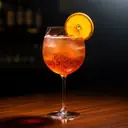
Aperol Spritz
Light, bubbly, and subtly bitter. A stunning orange aperitif that tastes like a vibrant Italian sunset.
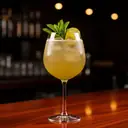
Hugo Spritz
Northern Italy's beloved elderflower spritz: St-Germain liqueur, prosecco, and fresh mint with a squeeze of lime — delicate, floral, and supremely refreshing.
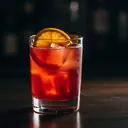
Americano
The low-proof forerunner to the Negroni: Campari and sweet vermouth lengthened with soda water.
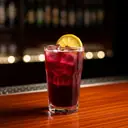
Tinto de Verano
Spain's answer to sangria — simpler, lighter, and more refreshing: bold red wine mixed with lemon soda over ice, a staple of Spanish summer.
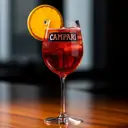
Campari Spritz
A bolder, more bitter spritz built on Campari, prosecco, and a splash of soda water.