Cocktail Glossary: Bar Terms Explained
Plain-English definitions for the techniques, glassware, and ingredient terms you'll see on any cocktail menu.
Techniques
Shaken
combined with ice in a shaker and shaken vigorously for 10–15 seconds. Used for drinks containing juice, dairy, egg white, or syrups — ingredients that need aeration and rapid dilution to integrate properly. Shaking also makes a drink slightly cloudy and colder than stirring.
Stirred
combined with ice in a mixing glass and stirred with a bar spoon for 20–30 seconds. Used for spirit-forward drinks like the Old Fashioned or Manhattan, where you want to chill and dilute without adding the tiny air bubbles and extra water that hard shaking introduces.
Muddled
gently pressed with a muddler at the bottom of the glass or shaker to release essential oils or juice from fresh ingredients. Common with mint in a Mojito (press lightly — bruising too hard makes it bitter) or citrus wedges and fruit in a Smash or Caipirinha.
Dry shake
shaken without ice first, then shaken again with ice. Used when egg white or aquafaba is in the recipe — the initial iceless shake emulsifies the protein into the liquid, creating a thicker, more stable foam. Without the dry shake, egg white just stays watery.
Double strain
poured through both the shaker's built-in Hawthorne strainer and a separate fine mesh strainer held over the glass. This catches ice shards, fruit pulp, and muddled herb bits, giving the finished drink a silkier texture.
Build
ingredients added directly into the serving glass in sequence, usually over ice, with no shaker or mixing glass involved. Most highballs and simple spirit-and-mixer drinks are built. The Gin and Tonic, Dark and Stormy, and Paloma are all built drinks.
Float
a small amount of one ingredient poured very slowly over the back of a bar spoon so it sits on top of the drink rather than mixing in. Used to add a visual layer or to deliver a concentrated aroma on the first sip — common with a red wine float on a New York Sour.
Express
to hold a citrus peel skin-side down over the drink and give it a firm squeeze, releasing the fragrant oils in a fine mist across the surface. The oils land on top rather than mixing in, adding brightness and aroma without adding juice or bitterness.
Serving styles
Neat: poured straight into a glass with no ice, no water, and no mixer. Usually reserved for spirits you want to taste on their own — whiskey, brandy, aged rum.
Up: chilled with ice during preparation, then strained into a stemmed glass containing no ice. The drink arrives cold but stays undiluted from sitting on ice. Martinis, Daiquiris, and Sidecars are all served up.
On the rocks: served over ice in the glass. The ice continues to dilute and chill the drink as you sip, which changes the flavor profile over time — intentional with something like an Old Fashioned.
Highball: a tall drink built directly in a highball or Collins glass, typically one part spirit to two or three parts mixer. The Moscow Mule, Gin and Tonic, and Paloma are all highballs. The tall glass and large ice-to-liquid ratio keep the drink cold and carbonated longer.
Dirty: most commonly used with Martinis — 'dirty' means a splash of olive brine has been added, making the drink slightly cloudy and savory.
Frozen: blended with ice rather than shaken or stirred, producing a slushy texture. Frozen Margaritas and Piña Coladas are the most common examples.
Straight up vs. up: these are often used interchangeably, but 'straight up' can also mean neat in some regions — if it matters, clarify with the bartender.
Common ingredient terms
Simple syrup
equal parts sugar and water dissolved together into a clear syrup. Used to sweeten drinks evenly, since granulated sugar won't fully dissolve in a cold shaker. Easy to make at home in five minutes and keeps in the fridge for up to a month.
Rich simple syrup
made with a 2:1 sugar-to-water ratio instead of 1:1, producing a thicker, sweeter syrup. Some recipes call for this when they want more sweetness with less added water.
Triple sec
a clear, orange-flavored liqueur used in Margaritas, Cosmopolitans, and Sidecars. Cointreau is the most recognized brand; cheaper triple sec is serviceable for mixing but noticeably harsher.
Vermouth
a fortified, aromatized wine infused with herbs and botanicals. Sweet (red) vermouth adds herbal richness to Manhattans and Negronis; dry (white) vermouth adds a crisp backbone to Martinis. Refrigerate after opening — it goes stale like any wine.
Bitters
highly concentrated extracts of alcohol, botanicals, and bittering agents, added in small dashes to season a cocktail the way you'd add salt to food. Angostura is the most common; orange bitters and Peychaud's are also widely used.
Orgeat
a sweet, slightly creamy syrup made from almonds, sugar, and orange flower water. Essential in Tiki drinks like the Mai Tai; its rich, nutty sweetness is not really substitutable with plain simple syrup.
Grenadine
a deep red syrup traditionally made from pomegranate juice and sugar — though most commercial versions are just corn syrup and dye. Used in Shirley Temples, Tequila Sunrises, and other drinks where you want a touch of sweetness and color.
Amaro
Italian for 'bitter.' A broad category of herbal, bittersweet liqueurs sipped as digestifs or used in cocktails. Campari is the most bartender-familiar amaro; Aperol is sweeter and lighter. Negronis, Spritzes, and Paper Planes all use amaros.
Aquafaba
the liquid from a can of chickpeas. It mimics egg white almost exactly as a cocktail foam agent, making it a popular vegan substitute in drinks that call for a dry shake.
Frequently asked questions
What's the difference between 'shaken' and 'stirred'?
Shaken drinks are combined with ice in a shaker and shaken hard, which is used for drinks with juice, cream, or egg white to aerate and dilute them quickly. Stirred drinks are combined with ice in a mixing glass and stirred gently, used for spirit-forward drinks like the Old Fashioned or Manhattan where you want to chill without adding the cloudiness and extra dilution that vigorous shaking introduces.
What does 'up' mean on a cocktail menu?
'Up' means the drink was chilled with ice during preparation, then strained into a stemmed glass with no ice in the final drink — as opposed to 'on the rocks,' which means served over ice, or 'neat,' which means poured straight with no ice or dilution at all.
What is a dry shake?
A dry shake means shaking the drink without ice first, then shaking again with ice. It's used when egg white or aquafaba is in the recipe — the iceless shake emulsifies the protein into a stable foam. Without it, the egg white stays thin and watery rather than forming the thick layer you see on top of a well-made Whiskey Sour.
What's the difference between simple syrup and rich simple syrup?
Simple syrup is made with equal parts sugar and water (1:1). Rich simple syrup uses a 2:1 ratio — twice as much sugar — making it thicker and sweeter, so you need less of it to hit the same sweetness level. Some recipes specify which one to use; if a recipe just says 'simple syrup' without specifying, assume 1:1.
Cocktails to try
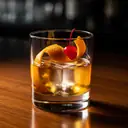
Old Fashioned
The original cocktail. A spirit-forward showcase of whiskey, mellowed slightly with sugar and aromatic bitters.
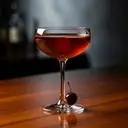
Manhattan
A smooth, spirit-forward blend of whiskey and sweet vermouth, accented with aromatic bitters. Dark and mysterious.
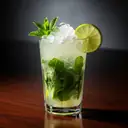
Mojito
A vibrant Cuban classic that muddles fresh mint and lime with light rum, topped with sparkling water.
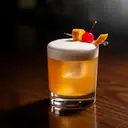
Whiskey Sour
A silky, tart classic where bourbon meets fresh lemon juice and a touch of sweetness, optionally crowned with a frothy egg white foam.
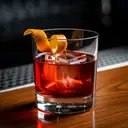
Negroni
A sophisticated Italian aperitif. Perfectly balanced between the botanical gin, sweet vermouth, and bracingly bitter Campari.