How to Order a Cocktail at a Bar
What to say, how to describe what you want, and how to get a great recommendation from a bartender even if you don't know what you're in the mood for.
Start with what you know you like
The most useful thing you can tell a bartender is a drink you already know you like. 'Something like a Margarita but a bit sweeter' gives an experienced bartender almost everything they need to make you happy — the template (citrus-sour), the spirit (tequila), and a direction (dial back the tartness, add more sweetener or a fruit component). Even a brand name you've had before can serve as an anchor: 'I had an Old Fashioned at a place last week and loved it, can you do something similar?' is a very workable starting point.
If you genuinely can't name a specific drink you like, describe the most recent drink you enjoyed and what you liked about it, even if it's just a glass of wine or a beer: 'I usually drink Sauvignon Blanc, and I liked how crisp and dry it was' tells a skilled bartender you want something refreshing and not too sweet — probably a gin or tequila-based drink.
Using flavor descriptors
If you don't have a reference drink, flavor words are the next most useful vocabulary. Describe what you want along a few axes: sweet vs. dry, strong vs. light, citrusy vs. herbal vs. rich, refreshing vs. complex. 'I want something refreshing and not too sweet' is enough for any bartender. 'I want something kind of bitter and interesting — I like Campari' is better still.
Common descriptive terms that translate well to a bartender: 'spirit-forward' (minimal non-alcoholic ingredients, appreciable alcohol flavor — Manhattan, Negroni, Old Fashioned territory); 'refreshing' (light, cold, usually citrus and/or effervescent — Paloma, Gin and Tonic, Daiquiri territory); 'complex but not sweet' (herbal or bitter, likely aperitivo-influenced); 'dessert-ish' (sweet, creamy, or chocolate-forward — Espresso Martini, White Russian territory).
Using spirit as your anchor
Picking a base spirit is often the most efficient way to narrow down a recommendation. If you know you want a whiskey drink but you're not sure which one, saying 'I want something with bourbon that isn't too complicated' gives the bartender the raw material and a useful constraint — they'll probably offer an Old Fashioned, a Manhattan, or a Bourbon Sour. If you say 'I want something with gin — what do you like making?' you're handing them creative latitude while staying anchored to a spirit you trust.
This approach also lets you use the menu as a guide without committing to something specific: scan for a base spirit you like, read the description or ingredients, and ask the bartender 'Is this more on the refreshing side or the boozy side?' A few questions about balance and style usually produce a much better outcome than pointing at a random name and hoping for the best.
The best phrases to use
'What do you enjoy making?' — this is one of the most reliable ways to get a genuinely interesting cocktail. Bartenders make better drinks when they're engaged and enthusiastic, and giving them creative freedom (within your rough parameters) almost always produces a better result than a prescription. Most bartenders at cocktail bars have a small set of things they're proud of that don't appear on the menu — this question is the key to finding them.
'Something refreshing / something stirred and boozy / something that will warm me up' — these three phrases communicate so much that most experienced bartenders can work almost entirely from them. 'Refreshing' = light, cold, probably citrus or sparkling. 'Stirred and boozy' = Old Fashioned or Manhattan family, spirit-forward, minimal sweetener. 'Warm me up' = spirit-forward, no ice or served hot, maybe spiced.
When to trust the bartender
At a serious cocktail bar — one with an original menu, a careful spirits selection, and bartenders who seem interested in the craft — giving the professional complete latitude after communicating a few preferences will almost always produce something better than selecting from the menu yourself. The bartenders at these bars know their ingredients intimately and are calibrated to the menu's strengths; they will typically make you something specifically suited to the occasion.
At a casual bar or restaurant bar, the calculus is different: the bartender may be skilled or may be working from a standardized recipe list without much craft knowledge. In those situations, sticking to well-known classics (Margarita, Old Fashioned, Gin and Tonic, Daiquiri) that have a simple recipe and clear success criteria will be more reliable than asking for creative latitude.
Frequently asked questions
How do I order a cocktail if I don't know what I want?
Start with a flavor direction: 'Something refreshing and citrusy,' 'Something strong and spirit-forward,' or 'Something not too sweet.' Name a spirit you like if you have a preference. If you're at a serious cocktail bar, try asking 'What do you enjoy making?' — bartenders at these places usually have something excellent they're proud of that isn't on the menu.
What does 'spirit-forward' mean?
'Spirit-forward' means a drink where the base alcohol is the dominant flavor rather than citrus, sweetener, or mixer. Old Fashioneds, Manhattans, Negronis, and Martinis are spirit-forward — they contain minimal non-alcoholic ingredients and showcase the spirit's own character. The opposite end of the spectrum is a Margarita or Daiquiri, where citrus and sweetener balance the spirit.
How do I tell a bartender what I like if I don't know cocktail names?
Describe what you usually drink (even if it's beer or wine) and what you liked about it. 'I usually drink dry white wine and I like crisp, refreshing things' translates well to a gin-based drink or a tequila highball. 'I like red wine, something full-bodied' points toward richer, spirit-forward cocktails. Flavor words — sweet, dry, citrusy, bitter, herbal, strong, light — work perfectly well without any cocktail knowledge.
Cocktails to try
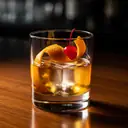
Old Fashioned
The original cocktail. A spirit-forward showcase of whiskey, mellowed slightly with sugar and aromatic bitters.
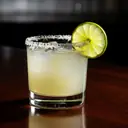
Margarita
A bright, zesty classic balancing the earthy notes of tequila with tart lime and a hint of orange sweetness.
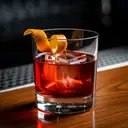
Negroni
A sophisticated Italian aperitif. Perfectly balanced between the botanical gin, sweet vermouth, and bracingly bitter Campari.
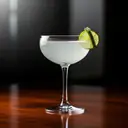
Daiquiri
A pure, elegant expression of rum, brightened with fresh lime and softened with a touch of simple syrup.
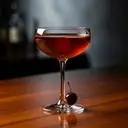
Manhattan
A smooth, spirit-forward blend of whiskey and sweet vermouth, accented with aromatic bitters. Dark and mysterious.