A Beginner's Guide to Cocktail Bitters
What bitters actually are, the most common styles, how much to use, and the classic cocktails that showcase them.
What bitters are
Bitters are a concentrated blend of alcohol, botanicals, spices, and bittering agents, originally sold as a digestive tonic in the 1800s before becoming a bartender's seasoning tool.
You use them the way you'd use salt in cooking — a few dashes sharpen and balance a drink's other flavors rather than dominating it.
Common types
Angostura bitters
the most widely used style, with warm baking-spice notes. This is the default 'bitters' called for in most classic recipes.
Orange bitters
brighter and more citrus-forward, common in Martinis and gin cocktails.
Peychaud's bitters
lighter and more floral with an anise note, associated with New Orleans classics like the Sazerac.
How much to use
Most recipes call for 2-3 dashes, roughly 1/8 teaspoon per dash from a standard dasher top. Start light — you can always add more, but you can't take it out.
Cocktails that showcase bitters
The Old Fashioned is the clearest example: whiskey, sugar, and bitters with nothing to hide behind. The Manhattan and Boulevardier both use bitters to balance out sweet vermouth and bittersweet liqueurs.
Frequently asked questions
How many dashes of bitters should I use?
Most recipes call for 2-3 dashes, roughly 1/8 teaspoon per dash from a standard dasher top. Start light — you can always add more, but you can't take it out.
What's the difference between Angostura and Peychaud's bitters?
Angostura bitters are the most widely used style, with warm baking-spice notes, and are the default 'bitters' called for in most classic recipes. Peychaud's bitters are lighter and more floral with an anise note, and are associated with New Orleans classics like the Sazerac.
Cocktails to try

Old Fashioned
The original cocktail. A spirit-forward showcase of whiskey, mellowed slightly with sugar and aromatic bitters.

Manhattan
A smooth, spirit-forward blend of whiskey and sweet vermouth, accented with aromatic bitters. Dark and mysterious.
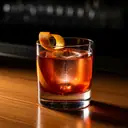
Boulevardier
A richer, darker cousin to the Negroni, swapping gin for whiskey. Warm, complex, and deeply flavorful.