The Margarita: History, Variations, and How to Make It Right
America's most popular cocktail — its disputed origins, the tequila that makes it best, the salt rim debate, and the variations worth knowing.
Origins: a cocktail with too many fathers
The Margarita is arguably America's most popular cocktail, yet its origin is genuinely contested. At least seven different people have claimed to have invented it, spanning locations from Tijuana and Ensenada to Galveston, Texas and Acapulco, with dates ranging from the late 1930s to the early 1950s. The most credible account credits Carlos 'Danny' Herrera, who in 1938 mixed it at his Rancho La Gloria restaurant near Tijuana for a customer who was allergic to all spirits except tequila.
What's not disputed is the formula: tequila, triple sec or orange curaçao, and fresh lime juice. The Margarita's underlying structure is identical to the Daisy cocktail template (spirit, citrus, sweetener with botanical character), which dates to the 1870s — 'margarita' is Spanish for 'daisy.' This makes it likely that the drink evolved gradually from the Daisy framework rather than being invented in a single flash of inspiration.
Choosing the right tequila
Blanco (unaged) tequila is the standard choice for a Margarita — its bright, grassy, citrus-forward agave character is exactly what the drink is built around. Mid-shelf blancos like Espolón, Olmeca Altos, and El Jimador provide good value without compromising flavor. Reserve your añejo tequilas for sipping neat.
Reposado (2 months to a year in oak) works well in a Margarita if you want a slightly rounder, more complex result — the oak adds a gentle vanilla note that complements the citrus. Some bartenders split the base spirit, using half blanco and half reposado for the best of both. Avoid using ultra-premium single-estate blancos in a shaken cocktail with lime and sweetener — the nuances of expensive terroir-driven tequila are largely imperceptible through ice and citrus.
Triple sec, Cointreau, and what they do
Triple sec is a clear, orange-flavored liqueur that provides both sweetness and an aromatic citrus dimension that distinguishes a Margarita from a Tequila Sour. The quality of the triple sec matters: cheap brands contain harsh, chemical orange flavor that makes the finished cocktail noticeably worse. Cointreau (40% ABV, made from sweet and bitter orange peel) is the benchmark and the original choice in most serious Margarita recipes — it's more expensive than generic triple sec but the difference is clear in a side-by-side comparison.
Grand Marnier — a cognac-based orange liqueur — is sometimes used in a 'Cadillac Margarita' for extra richness and depth. It adds an oakiness from the cognac base that changes the character of the drink significantly. Fresh-squeezed orange juice plus simple syrup can substitute in a pinch, though it produces a lighter, less aromatic result.
The salt rim debate
Salt on the rim is traditional and functional — the sodium ions enhance the perception of sweetness and citrus, reducing the perception of bitterness, which is why salt on citrus fruit (a Mexican culinary tradition) makes the fruit taste sweeter. Whether you want it is entirely a matter of preference. Rim only half the glass if you're uncertain, so the drinker can choose how much salt to incorporate with each sip.
Tajín (a Mexican chile-lime salt blend) has become enormously popular as a Margarita rim alternative, particularly for the spicy Margarita — its faint heat complements jalapeño-infused tequila in ways that plain salt doesn't. For a tamarind or tropical Margarita variation, Tajín is often a better match than kosher salt.
Key variations
Spicy Margarita
muddle fresh jalapeño slices in the shaker before adding the other ingredients, or use jalapeño-infused tequila. The heat amplifies the agave's pepper notes in ways that are genuinely pleasurable. Tommy's Margarita: the 1990s San Francisco variation by Julio Bermejo substitutes agave nectar for triple sec, producing a purer, more spirit-forward expression that showcases quality tequila without the orange liqueur.
Frozen Margarita
blended with ice rather than shaken. Best with a slightly higher ratio of lime and tequila to compensate for the dilution from the blending ice. Mezcal Margarita: substitute mezcal (or split blanco tequila and mezcal) for a smoky, earthier result. Tamarind Margarita: add tamarind concentrate or paste for a distinctive sweet-sour depth that bridges tequila and the traditional Mexican tamarind candy palate.
Frequently asked questions
What's the best tequila for a Margarita?
A mid-shelf blanco (unaged) tequila is the standard choice — its bright, grassy agave flavor is what the Margarita is built around. Espolón, Olmeca Altos, and El Jimador are reliable at a good price. Reposado works for a rounder, more complex result. Save añejo for sipping; its oak aging is largely wasted in a shaken cocktail with citrus.
Should a Margarita have a salt rim?
Salt is traditional and functional — it enhances citrus perception and reduces bitterness — but it's entirely optional. If you're unsure, rim only half the glass so the drinker can choose how much salt to incorporate. Tajín (chile-lime salt) is a popular modern alternative, especially for spicy Margarita variations.
What's the difference between triple sec and Cointreau?
Cointreau is a specific premium triple sec — it's made from sweet and bitter orange peel at 40% ABV with a clean, natural orange flavor. Generic triple sec uses lower-quality flavoring and tends to have a harsher, more artificial character. In a Margarita, the difference is noticeable: Cointreau produces a more balanced, elegant cocktail. It costs more, but a bottle lasts a long time.
Explore related categories
Cocktails to try
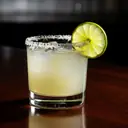
Margarita
A bright, zesty classic balancing the earthy notes of tequila with tart lime and a hint of orange sweetness.
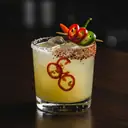
Spicy Margarita
A classic margarita with a fiery kick, usually achieved with jalapeño-infused tequila or muddling fresh peppers.
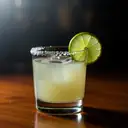
Mezcal Margarita
A smoky twist on the classic margarita. The roasted, earthy notes of mezcal add deep complexity to the bright citrus.
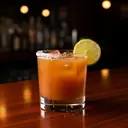
Tamarind Margarita
A tart, earthy twist on the classic Margarita, with tamarind's distinctive sweet-sour depth elevating the familiar tequila-lime base.
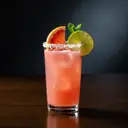
Paloma
A highly refreshing highball featuring tequila mixed with tart grapefruit soda and a squeeze of lime.