A Guide to Rum: White, Gold, Dark, and Spiced
The main rum styles, how they're made, and which cocktails show off each one best.
How rum is made
Rum is distilled from sugarcane juice or molasses, then typically aged in oak barrels — the aging (or lack of it) is what defines most of its style differences.
White (light) rum
Unaged or lightly filtered after aging to remove color, white rum has a clean, light profile that lets other ingredients shine. It's the backbone of the Daiquiri and Mojito.
Gold and dark rum
Aged longer in oak, gold and dark rums pick up caramel, vanilla, and spice notes from the barrel. They add depth to drinks like the Dark 'n' Stormy or a Rum Punch.
Spiced and flavored rum
Spiced rum has cinnamon, vanilla, or other spices added after distillation. It's popular in tiki-style drinks but can overpower more delicate recipes, so use it where its flavor is meant to stand out.
Regional styles
Jamaican rums tend to be funkier and more intense, Cuban-style rums lighter and drier, and agricole rums from Martinique are made from fresh sugarcane juice rather than molasses, giving them a grassy, vegetal note.
Frequently asked questions
What's the difference between white and dark rum?
White rum is unaged or lightly filtered after aging to remove color, giving it a clean, light profile that's the backbone of the Daiquiri and Mojito. Dark rum is aged longer in oak, picking up caramel, vanilla, and spice notes that add depth to drinks like the Dark 'n' Stormy.
What makes agricole rum different?
Agricole rums from Martinique are made from fresh sugarcane juice rather than molasses, giving them a grassy, vegetal note that sets them apart from Jamaican (funkier, more intense) and Cuban-style (lighter, drier) rums.
Explore related categories
Cocktails to try

Daiquiri
A pure, elegant expression of rum, brightened with fresh lime and softened with a touch of simple syrup.
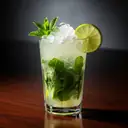
Mojito
A vibrant Cuban classic that muddles fresh mint and lime with light rum, topped with sparkling water.
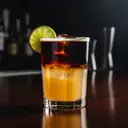
Dark 'n' Stormy
Dark rum poured over spicy ginger beer for a fiery, refreshing highball with a bite.
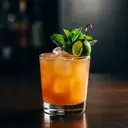
Mai Tai
A rich tiki classic layering two rums with orgeat, lime, and orange liqueur for a nutty, tropical punch.

Rum Punch
A crowd-pleasing mix of rum and tropical juices, sweet and easy-drinking with a citrus kick.